
Small plumbing defects can send hundreds or thousands of gallons through your meter before you see damage. Finding leaks and failing fixtures early can protect your home and help prevent high water bills.
A higher bill can be a plumbing warning. Find the cause fast, stop the waste, and keep more money in your pocket. Acting early can also reduce the risk of water damage and more costly repairs.
Many common plumbing problems become more expensive when small warning signs are ignored. Watching your monthly water use can help you catch unusual changes before wasted water adds up. A professional inspection can also uncover hidden issues that may not be visible around the home.
Why Is My Water Bill So High All of a Sudden?
A sudden increase often means water is running when no one is using it. EPA WaterSense says the average family can waste about 9,400 gallons each year from household leaks. Running toilets, dripping fixtures, hidden pipe damage, and outdoor leaks are common causes.
Turn off faucets, appliances, and irrigation, then check the water meter. Any movement can signal a water leak. Compare recent bills with the same season last year so normal summer use does not hide a real plumbing problem.
How Can I Tell If a Plumbing Leak Is Raising My Water Bill?
Watch for a toilet that refills by itself, damp cabinets, warm floor spots, low pressure, or water sounds behind a wall. Hidden leaks may require professional detection.
Try a toilet dye test too. Add food coloring to the tank and wait about 10 minutes without flushing. Color in the bowl means the flapper is leaking.
Early testing can turn a costly surprise into a manageable repair.
Now, let’s look at the seven common issues that raise your water bill.
1. A Running Toilet
Running toilets are among the costliest common plumbing problems because they can waste water all day. Worn flappers, faulty fill valves, or poor float settings can let water move into the bowl without a normal flush.
Listen for hissing or random refilling. Replacing a worn part is often one of the simplest plumbing fixes.
2. Dripping Faucets and Showerheads
A slow drip adds up. EPA WaterSense reports that a faucet dripping once per second can waste more than 3,000 gallons a year. Worn washers, cartridges, seals, or loose connections are frequent causes.
During routine plumbing maintenance, check sinks, tubs, showerheads, and cabinet connections for moisture or mineral buildup. Small fixture leaks deserve attention before they become expensive habits.
3. Hidden Pipe and Slab Leaks
Leaks inside walls, under floors, or beneath a slab can increase a bill without leaving a clear puddle. Warning signs include:
- Unexplained meter movement
- Warm flooring
- Damp baseboards
- Low pressure
- Musty odors
Dallas-area homes may have piping below finished surfaces. A plumber can isolate the leak before walls or flooring are opened unnecessarily.
Hidden leaks should be addressed quickly. Water can continue flowing around the clock while causing damage to flooring, drywall, or other materials.
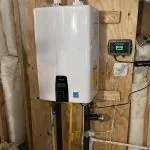
4. Water Heater Leaks
A leaking water heater can waste water and energy. Problems may appear at:
- The tank base
- Drain valve
- Supply connections
- Temperature-and-pressure relief line
Corrosion can also lead to tank failure. Fast repair matters when leaking water threatens nearby flooring or belongings. Replacement may be appropriate when a tank is old or repeatedly failing.
5. Appliance and Supply-Line Leaks
Dishwashers, washing machines, refrigerators, and ice makers use valves and supply lines that can leak behind appliances. Small drips may remain hidden for weeks.
Inspect accessible hoses and fittings for:
- Moisture
- Staining
- Corrosion
Water sensors near high-risk appliances can provide an early warning.
6. Outdoor Faucets and Irrigation Leaks
Cracked hose bibbs, damaged irrigation lines, broken sprinkler heads, and stuck valves can send large amounts of water into the ground.
Watch for soggy soil, pooling water, unusually green patches, or irrigation zones that run too long. Seasonal checks are useful before hot North Texas weather increases outdoor use.
Check irrigation schedules as well. A controller set to run too often can raise water use even when every sprinkler component works correctly.
7. High Water Pressure or Faulty Pressure Control
Excessive pressure can push more water through fixtures and strain valves, supply lines, and seals. The added stress can contribute to leaks and shorten fixture life.
A plumber can measure pressure and inspect the pressure-reducing valve when one is installed. Correct water pressure supports efficient plumbing and lowers the risk of premature leaks.
Frequently Asked Questions
Can a Small Leak Really Make a Big Difference on My Water Bill?
Yes. Small leaks can run all day, turning a minor defect into significant monthly waste. The effect depends on the leak rate and local utility pricing.
Compare current usage with prior bills, then check the meter while every water-using fixture and appliance is off. A meter that continues moving can point to hidden consumption.
Keep repair records as well. Some utilities may offer bill-adjustment programs after a verified leak is repaired. Requirements vary, so homeowners should contact their local utility before assuming an adjustment is available.
Should I Repair or Replace an Older Water Heater?
Age matters, but condition matters more. Repair can make sense when the tank is sound, and one serviceable part has failed.
Replacement becomes more likely with:
- Corrosion
- Tank leaks
- Rusty water
- Repeated breakdowns
Tankless systems are another option for homeowners who want on-demand hot water.
A professional can evaluate:
- The home’s hot-water demand
- Available fuel source
- Installation area
- Venting requirements
- Plumbing setup
Proper sizing helps the new system deliver reliable hot water without unnecessary performance problems.
Stop Common Plumbing Problems Before the Next Bill Arrives
Ignoring common plumbing problems can increase monthly costs and lead to larger repairs. Metro Flow Plumbing has served Dallas, TX, and nearby communities since 1989 with leak, drain, water heater, home water filtration, and other residential plumbing services.
Homeowners can turn to a qualified team for reliable and affordable service, quick response times, and quality workmanship. Emergency assistance is available 24/7, and recommended services may be backed by a five-year parts-and-labor warranty.
Do not let hidden water waste become another expensive billing cycle. If your bill is climbing or your plumbing is showing warning signs, contact Metro Flow Plumbing today.