
Even though PVC pipes are often thought to be clog-free due to their smooth surface, grease, hair, debris, or installation mistakes can still lead to blockages. Today, PVC makes up nearly 55% of all plastic pipe installations worldwide, cementing its place as one of the most widely used piping materials (Market Reports World).
Drain cleaning is an important part of maintaining a PVC plumbing system, particularly when a drain starts running slowly or backing up repeatedly. Knowing what causes PVC pipe clogs can help homeowners spot problems early, avoid common mistakes, and know when a simple DIY fix is no longer enough.
Why Do PVC Pipes Clog?
PVC’s smooth interior can help reduce friction and keep water moving efficiently, but reducing friction isn’t the same as eliminating buildup. Blockages are often caused by what enters the pipe, how it is installed, or conditions affecting flow.
Kitchen Drains
Fats, oils, and grease are a leading culprit. They may leave the sink as liquid but cool as they move through the pipes, leaving a sticky residue. Food particles stick to that coating, gradually reducing the space available for water to pass.
Bathroom Drains
Hair and soap residue can cause similar problems. Hair catches around the drain or inside the pipe, while soap residue and other material collect around it to form stubborn clogs. What starts small can eventually slow the drain to a trickle.
Foreign Objects
Food scraps, wipes, dental floss, paper products, and other litter can lodge inside a pipe. Once something gets stuck, more debris collects around it.
PVC Pipe Slope Installation Error
Plumbing codes set requirements for:
- Drainage slope
- Pipe size
- Fittings
- Venting
The right slope means wastewater and material move away properly. If a section is too flat, water and heavier material can remain in the line instead of continuing toward the sewer. The same problem can occur if a buried pipe develops a sag or “belly.”
Pipe size matters too. An undersized pipe may struggle with normal household discharge. An oversized section can lower flow speed enough for solids to settle, especially when water use is low.
Excessive bends, poor fittings, long horizontal runs, and inadequate venting may also lead to drainage problems.
Sediment Buildup
Dirt and particles carried by water can settle in areas with poor flow. Over time, this sediment reduces space inside the pipe and makes future clogs more likely.
Tree Roots
Underground PVC lines can be invaded by roots if there’s a crack, loose joint, or other defect. Roots generally don’t grow through intact PVC, but they will exploit any weakness to reach the water inside. Older installations face greater risk.
What Can You Do to Prevent PVC Pipe Clogs?
Modern plumbing maintenance starts with ordinary habits that catch buildup before it moves into an inaccessible section. Start by using strainers in kitchen and bathroom sinks and keep all non-dispersible products out of drains.
Pour cooking grease into a container and place it in the trash after it cools. Scrape plates before washing them.
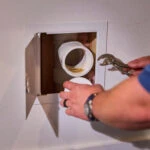
Clean accessible covers, strainers, and traps regularly and remove debris by hand when safe. Use a plunger or suitable drain snake for minor obstructions.
Flush toilets only with human waste and toilet paper. Even products labeled “flushable” may not fully break down. Keep a waste bin near toilets and bathroom sinks.
Clean gutters, grates, and drain inlets before periods of heavy rain. Remove visible debris from covers and keep soil from washing toward open drains. Outdoor PVC drain maintenance should include seasonal checks.
Bonus Tip: Avoid chemical drain cleaners as routine maintenance. They can be harsh on plumbing and do not always address the underlying cause of recurring clogs.
When Do You Need Professional Solutions?
Slow drains, gurgling sounds, and clogs that keep coming back are signs that something more than a quick DIY fix may be going on.
Professional rooter solutions, including camera inspections, mechanical snaking, and hydro jetting, can help identify and fix the actual cause instead of just pushing the blockage further down the line.
For example, a camera inspection can show whether you are dealing with heavy buildup, hidden grease accumulation, or a structural problem. If a low section of pipe is causing repeated blockages, a professional can determine whether low slope belly repair is the right solution.
Frequently Asked Questions
Can a Clogged PVC Pipe Cause Damage Beyond Just Slow Drainage?
Yes. If a clog isn’t cleared, pressure can build up behind it. That pressure may cause leaks at joints, stress cracks, or even burst sections in extreme cases. Water damage from leaks can be far more costly than clearing the clog itself.
What’s the Difference Between a Clog in a Drain Line and a Clog in a Sewer Line?
A drain line clog usually affects one fixture, like a sink or shower. A sewer line clog impacts the main pipe carrying waste away from the house, so multiple drains back up at once. Sewer clogs are more serious and often require professional equipment to clear.
Can PVC Pipes Handle Hot Water?
PVC is generally rated for water up to about 140 degrees Fahrenheit, and boiling water reaches 212 degrees. Repeated exposure to this heat level can affect pipe walls and weaken solvent-welded joints over time.
Hot water may also melt grease just long enough for it to travel further into the line before hardening again, which makes the resulting clog harder to reach.
How Often Should You Clean Out PVC Drain Pipes?
Clean kitchen drains once a month to stay ahead of buildup. Check bathroom drains every two to three months, and inspect outdoor drains in the fall and spring when debris tends to collect.
Why Drain Cleaning Still Matters for PVC Pipes
Drain cleaning matters because a PVC pipe does not get a free pass just because it has a smooth interior. Addressing small issues early prevents costly repairs and keeps household systems running smoothly. Consistent care and timely professional support can save you time, money, and a lot of frustration.
Metro-Flow Plumbing has served Dallas since 1989, offering 24/7 emergency service. With upfront pricing, camera inspections, and CIPP pipe repair that minimizes digging, you’ll know exactly what to expect. Contact us today to learn about our 5-year parts and labor warranty on recommended services and get help from trusted professionals.